Fulfilling the game developer’s dream
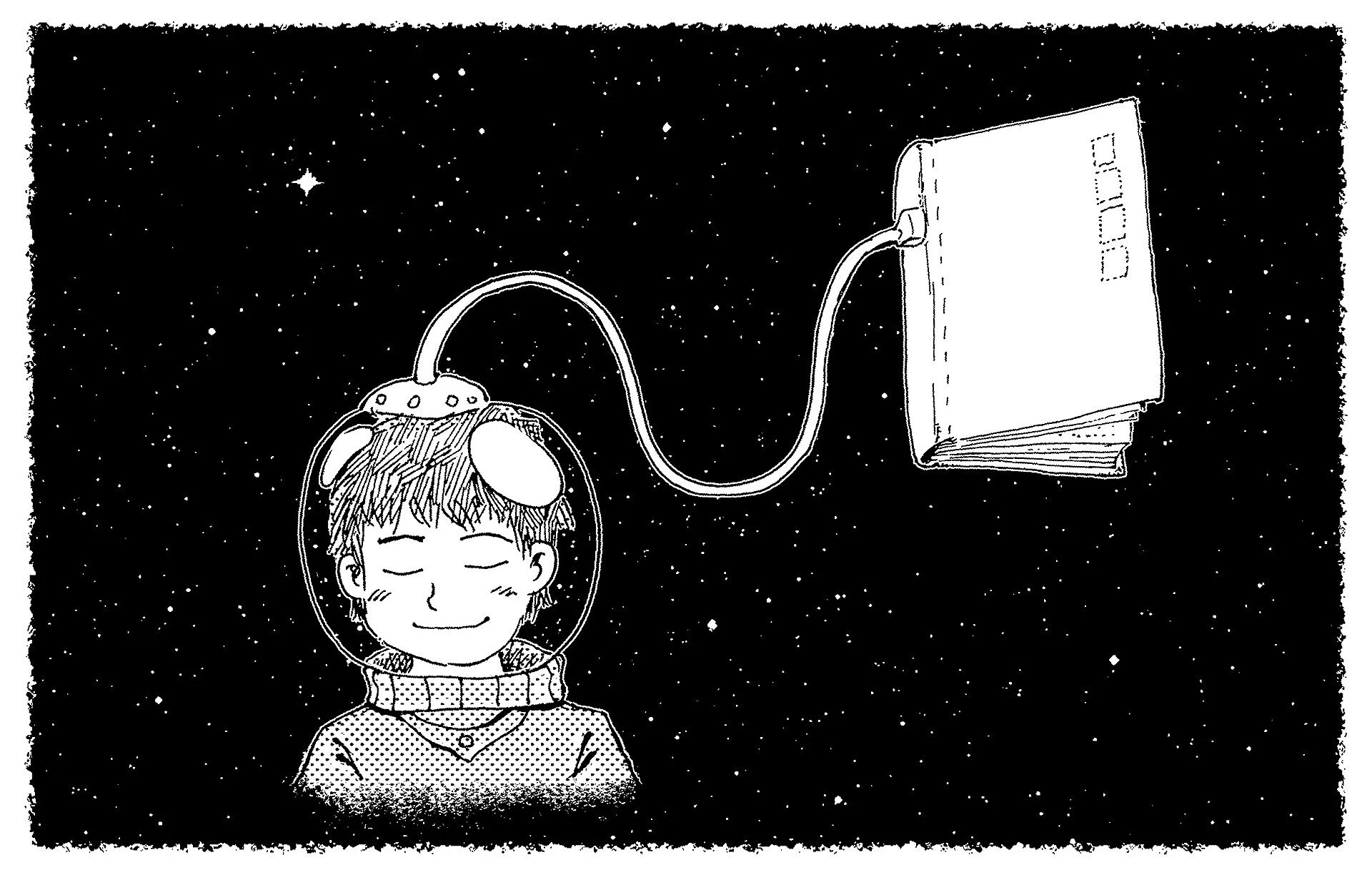
I have always wondered what it means to be a fulfilled game developer. Is it a million-plus download of your game title? Or working with one of the most reputable game companies in the world? Or bringing scientific and innovation breakthroughs into the games industry. Or bagging multiple awards for several game titles developed. Or being invited to give a GDC talk about a topic in your area of specialization. There is really a lot to say. Success has different meanings for different people.
As a game developer who has been in the industry for roughly 4 years, I must say that I have seen different shades of success. Some got lucky, while others got there through hard work and consistent efforts. I see new inventions every day in the industry, and the one single question that I ask is, "What Does Success Really Mean for a Game Developer?
For an average indie game developer, the goal could be to start an indie studio and build a title that would be a huge success. Another goal could be to get into an AAA game studio (Rockstar, Electronic Arts, Naughty Dog, Ubisoft, etc.) and get the opportunity to work on the biggest and most popular game titles in the industry. Quite a huge goal, right? These two routes are completely different, but there are overlaps. We have seen people leave AAA studios after working for a few years to start their own indie studio and still become successful. As an industry that is growing sporadically every year, the games industry has a lot to offer.
Every day, new games are released in different parts of the world, both in the indie and AAA spaces. There are millions of games on different stores today, developed in different parts of the world, and it becomes more and more difficult to really do something different and stand out. The industry is saturated. For every game genre, a player has diverse options to choose from and still gets a very similar experience as others. You can play Fortnite, PUBG, Apex Legend, Call of Duty: War Zone, and several others in the battle royale genre. The competition is so intense. As new studios are being created, other studios are being closed down due to failed projects, financial issues, rifts, and many other internal issues. Only those with the right mindset or who get lucky survive in the industry. The fact is that the gaming industry is really tough.
We have seen studios who get lucky too. Crossy Road, a mobile game made by two developers during their GDC talk: A whale of a time” (https://www.gdcvault.com/play/1021897/Crossy-Road-A-Whale-of ) made mention of how the hame they developed in 12 weeks made a very huge hit. The figures were mind-blowing; to date, the game has been downloaded over 120 million times. This is a really lucky situation, as studios that follow similar patterns and strategies might not be able to get such figures. They even mentioned how PewDePie (the YouTuber with the most followed accounts) found their game online and played it, which boosted their revenue and numbers even higher. We have other lucky studios too. Among Us, a match made by an indie team, got traction during the COVID-19 wave; the game that had been developed in 2018 suddenly exploded in 2020, when the pandemic was at its peak. No one saw it coming, not even the developers. It became a fun game to keep players busy and to play with friends. The game currently has over 2 million players across several platforms. The developers struggled at some point as they didn’t have enough infrastructure to maintain the vast number of players playing the game every day.
Many studios and individuals also watch out for and target incoming waves in the industry. For example, PUBG made the battle royale genre, while Fortnite is reaping the most out of it. Many developers tend to dive into genres and technologies that are gaining ground and popularity. When the virtual and augmented reality wave came in 2015, many studios and individuals jumped in early and are getting the most out of it. Although it does not always matter who gets in first, Getting into it early means that you’re going to fail faster, learn faster, and build systems and techniques faster that will enhance your growth.
In fact, everyone in the industry is chasing success, and there’s really not one single definition of success for everyone. God or War 3 is a successful title by Santa Monica Studios, and Crossy Road is also a successful title. Flappy Bird is another successful title. These are all games in different genres that have made a huge impact. This means that success is not actually tied to a game genre.
At this point, I must say that it’s tough to say that success is really one thing in the games industry. There are different shades of success. In the end, everyone wants to make a great game, whether it's the HR/Recruiter trying to get the best talents into a game company, the artist trying to create the beautiful characters in the game, or the programmer trying to implement interesting mechanics for the game. Really, everyone wants to make a great game. And only the players can determine that. It doesn’t matter the number of years spent making the game; the players of the game will decide whether a game is good or not. The games industry is a player-first industry. Knowing this is really critical in defining what a successful game or a successful game career should be.
